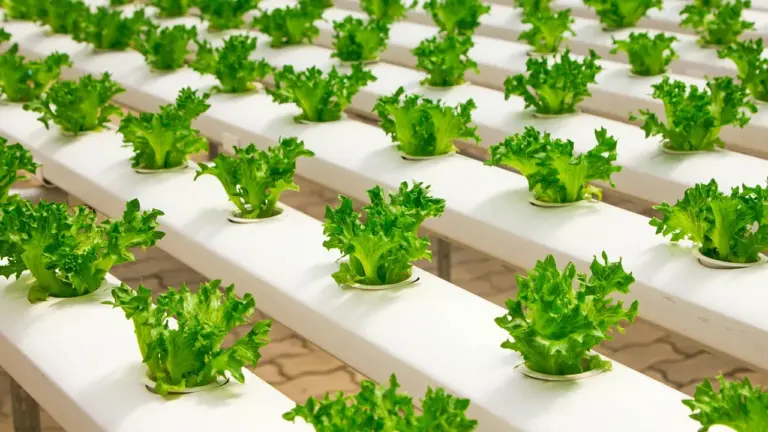
How engineered wood fiber and rubber mulch compare on safety, heat, accessibility, durability, and cost for commercial playgrounds in Texas.

Playground mulch and rubber mulch are the two surfacing options most commercial playground projects in Texas come down to. Both cushion falls, and both get sold as safe, low-maintenance choices. But they are not the same… In fact, one of them is safer, more accessible, more sustainable, and more cost-effective than the other.
In this article, we compare playground mulch and rubber mulch on safety, accessibility, durability, sustainability, and cost, and explain which surface is best for commercial playgrounds in Texas (hint: heat retention is a bigger differentiator than you might think). But first, let’s define each.
Playground Mulch (EWF)
Playground mulch is engineered wood fiber (EWF): a finely shredded, loose-fill playground surface covering designed specifically for safer commercial and public play areas. (When we say playground mulch, we mean EWF.)
Rubber Mulch
Rubber mulch is made from shredded, recycled vehicle tires and can be either loose-fill or unitary (poured-in-place). It’s the most common alternative to playground mulch on commercial projects. Now let’s get into the differences.
vs
Table of Contents
Playground Mulch vs. Rubber Mulch: Comparing Safety, Accessibility, Durability, Sustainability, and Cost.
Short on time? Here’s a comparison summary so you know what’s best for your playground project in Texas at a glance:
Safety
Playground Mulch (EWF)
Great shock absorption from interlocking fibers; CPSC-compliant and meets ASTM standards; low allergy risk, no chemical runoff. Stays cool and comfortable even in direct sunlight.
Rubber Mulch
Doesn’t attract pests; allergy risk depends on manufacturing (e.g., if dyed). Can retain heat in the sun, potentially making playgrounds unusable throughout the day.
Accessibility
Playground Mulch (EWF)
Knits together into a firm, stable, ADA-compliant surface; stays cool in direct sunlight
Rubber Mulch
Loose rubber shifts like sand/gravel (less accessible); poured-in-place is more accessible.
Durability
Playground Mulch (EWF)
Lasts 2–4 years before major replenishment; resists rapid rotting, handles heavy foot traffic
Rubber Mulch
Longer-lasting and more weatherproof than EWF
Sustainability
Playground Mulch (EWF)
Made from virgin/recycled wood; biodegradable and nourishes surrounding soil and plant life.
Rubber Mulch
Least sustainable — releases chemicals/toxins into soil and air, even after removal.
Cost
Playground Mulch (EWF)
More affordable upfront than recycled rubber; requires ongoing top-up maintenance; most cost-effective overall.
Rubber Mulch
Costs 2–3x more than EWF upfront; lower maintenance costs over time.
Safety
Engineered wood fiber offers great shock absorption. (The material’s interlocking fibers lock in place to soften falls.) It also complies with playground safety guidelines set by the U.S. Consumer Product Safety Commission (CPSC) and performance standards established by ASTM International.
Because of how it’s made, EWF also offers a low allergy risk for children. Using trees that have existed in a natural environment means that additives cause no harmful allergens, and there’s no chemical runoff to seep into the surrounding ground or water.
Recycled rubber is also fall-safe and doesn’t attract pests; however, depending on how it’s been manufactured (for example, if it’s been dyed), it’s more likely to present an allergen risk.
Texas Heat
A Note on Heat Retention
Texas safety standards for building projects are increasingly targeting heat risks, and commercial playground projects are no different. With that in mind, the surfacing option you choose matters more than you might think.
Rubber Mulch
Can retain heat on very hot, sunny days
Playground Mulch (EWF)
Stays cool, safe, and comfortable even in direct sunlight
Whether loose or wet-pour, rubber can retain heat on very hot, sunny days, radiating extreme temperatures back up at children, potentially making playgrounds unsafe and therefore unusable for large chunks of the day. You can counter this with specially treated, lighter-colored rubber safety surfacing; however, it increases allergy risks and chemical runoff.
In contrast, a playground surface like engineered wood fiber stays cool, safe, and comfortable even in direct sunlight, has a lower allergy risk, and doesn’t add chemicals to the surrounding environment.
Accessibility
Engineered wood fiber knits together to create a firm, stable surface that allows wheelchair access and makes it ADA-compliant.
Loose rubber mulch can be frustrating for wheelchair and walking frame users because the individual pieces roll and shift like sand or gravel. However, poured-in-place rubber is more accessible and ADA-compliant.
Durability
2–4 yearsHow long engineered wood fiber can last before needing major replenishment.
Engineered wood fiber can last 2 to 4 years before needing major replenishment. It resists rapid rotting and handles heavy foot traffic well, although it still decomposes over time.
Engineered wood fiber needs regular top-ups to stay at the correct depth. Recycled rubber lasts longer and is more weather-resistant than EWF. However, it doesn’t break down, so it has to be hauled away and disposed of when it’s replaced.
Sustainability
Engineered wood fiber is made from processed virgin or clean recycled wood, making it an environmentally responsible choice for playground covering. Not only does it give trees a second life, but it is also biodegradable, so it decomposes naturally over time and helps nourish the surrounding soil and plant life.
Rubber playground mulch is the least sustainable option. Rubber playground cover releases chemicals and toxins into the soil and air that remain even after the surfacing is removed.
Cost
2–3×What rubber mulch typically costs to install compared with engineered wood fiber.
Engineered wood fiber has the lower upfront cost of the two. Rubber mulch typically costs two to three times more to install than EWF. But EWF requires more maintenance than rubber, which adds to the cost over time. Still, when weighing safety (including heat retention), accessibility, durability, and sustainability, EWF is the most cost-effective playground covering overall.
Playground Mulch or Rubber Mulch: Which Is Actually Best For Commercial Playgrounds in Texas?
5criteria favor playground mulch (EWF)
1favors rubber mulch
Safety/Cushioning
Playground Mulch (EWF)
Best fall cushioning — interlocking fibers absorb impact
Rubber Mulch
Good cushioning
Heat Retention
Playground Mulch (EWF)
Stays cool, safe, and comfortable even in direct sunlight.
Rubber Mulch
Can retain heat on very hot, sunny days, radiating extreme temperatures back up at children, potentially making playgrounds unsafe.
Accessibility
Playground Mulch (EWF)
Wheelchair/walker accessible (ADA-compliant)
Rubber Mulch
Not accessible if loose; poured-in-place is accessible
Upfront Cost
Playground Mulch (EWF)
More affordable than rubber
Rubber Mulch
2–3x more expensive than EWF
Maintenance Cost
Playground Mulch (EWF)
Needs regular top-ups to maintain depth
Rubber Mulch
Needs less maintenance than EWF
Sustainability
Playground Mulch (EWF)
Fully biodegradable, enriches soil, no chemical runoff
Rubber Mulch
Least sustainable — releases chemicals/toxins into soil and air
Overall Verdict
Playground Mulch (EWF)
Best balance of cost, safety, accessibility, and sustainability
Rubber Mulch
Pricier, low-maintenance, but worst for sustainability
In our honest (and expert) opinion, playground mulch (engineered wood fiber) is the best option when factoring in safety, accessibility, durability, sustainability, and cost. Rubber mulch lasts longer and needs less maintenance. But for a Texas playground, it falls short on the things that matter most: heat, sustainability, and upfront cost.
When weighing playground mulch against rubber mulch, budget, sustainability, and safety (including heat retention) make the difference. Engineered wood fiber costs less up front, making it the more affordable choice. But EWF requires regular topping up to keep the surfacing at the right depth. Recycled rubber costs up to three times as much as EWF upfront. However, it needs less maintenance to keep the playground safe.
Engineered wood fiber is the clear winner on sustainability. Unlike recycled rubber, it breaks down over time, enriching the surrounding soil and plants, whereas rubber can leach chemicals into nearby ground and water.
When it comes to safety aspects like heat retention, recycled rubber can trap heat and radiate it back at the children, risking injury. (Not ideal for a play area in Texas.) On the other hand, engineered wood fiber stays cool even in direct sunlight and higher temperatures.
FAQs on Playground Mulch vs. Rubber Mulch
Is Playground Mulch the Same as Wood Chips?
Not always, even though people use the terms interchangeably. Engineered wood fiber (EWF) is a specific playground mulch that’s manufactured and tested to strict safety standards like ASTM F1292. “Wood chips” is a general term for wood material that may or may not be processed or certified for playground use. If it isn’t certified and kept at the correct depth, don’t treat it as playground mulch.
Is There a Difference Between Mulch and Playground Mulch?
Yes, playground mulch is specially engineered and tested for safety and impact absorption, unlike standard garden mulch, which is only meant for decorative ground cover and weed suppression. For example, a playground mulch such as engineered wood fiber (EWF) meets strict safety standards like ASTM to cushion falls and prevent serious injuries, whereas a standard landscaping mulch doesn’t.
Is Playground Mulch Worth It?
Yes, playground mulch is worth it because it’s engineered and tested for playground safety in line with ASTM F1292 (ASTM International’s safety standard for playground surfacing). Playground mulch like engineered wood fiber provides excellent shock absorption and is ADA-compliant, meaning it is a wheelchair-accessible playground covering.
Certified EWF Playground Mulch Delivered Across Texas.
GWG Wood Group’s wood mulch for playgrounds is an engineered wood fiber (EWF) surfacing material designed specifically to meet safety, impact attenuation (fall safety), and accessibility standards for playgrounds, parks, schools, and recreational areas.
As one of the leading suppliers in North Texas—and the provider of more than 80% of DFW’s playground mulch—GWG delivers consistent quality, certified safety, and dependable availability.
Request a quote online or give us a call to learn more about our products, get pricing, or schedule a delivery.
80%+of DFW’s playground mulch comes from GWG
Certified EWF playground mulch, delivered across Texas
Get pricing, ask about our products, or schedule a delivery.